


What to Do When Your Geyser Is Leaking Water

A leaking geyser is a common problem that can cause serious damage if ignored. Water leaks waste energy, increase your bills, and may lead to flooding or structural damage. I’ve seen many cases where a small drip turned into a costly repair. If you notice water pooling around your geyser or dripping from it, act fast.
Why Your Geyser Might Be Leaking
Leaks happen for several reasons. Knowing the cause helps you fix the problem quickly.
Pressure build-up: When pressure inside the geyser gets too high, the safety valve releases water to prevent an explosion. This can cause dripping.
Corrosion and rust: Over time, the tank or pipes can corrode, creating holes or cracks that leak water.
Loose or damaged fittings: Pipes and valves connected to the geyser may loosen or wear out, causing leaks.
Faulty temperature and pressure relief valve (TPR valve): This valve controls pressure and temperature. If it fails, water can leak.
Cracked tank: A damaged tank is a serious issue that usually means you need a replacement.
How to Check Your Geyser for Leaks
Start by turning off the power or gas supply to the geyser. Then, follow these steps:
Look for water pooling around the base of the geyser.
Check all visible pipes and fittings for moisture or drips.
Inspect the TPR valve and discharge pipe for leaks.
Listen for dripping sounds inside the geyser cupboard or room.
Feel the tank for wet spots or rust patches.
If you find a leak, don’t ignore it. Small leaks can quickly become big problems.
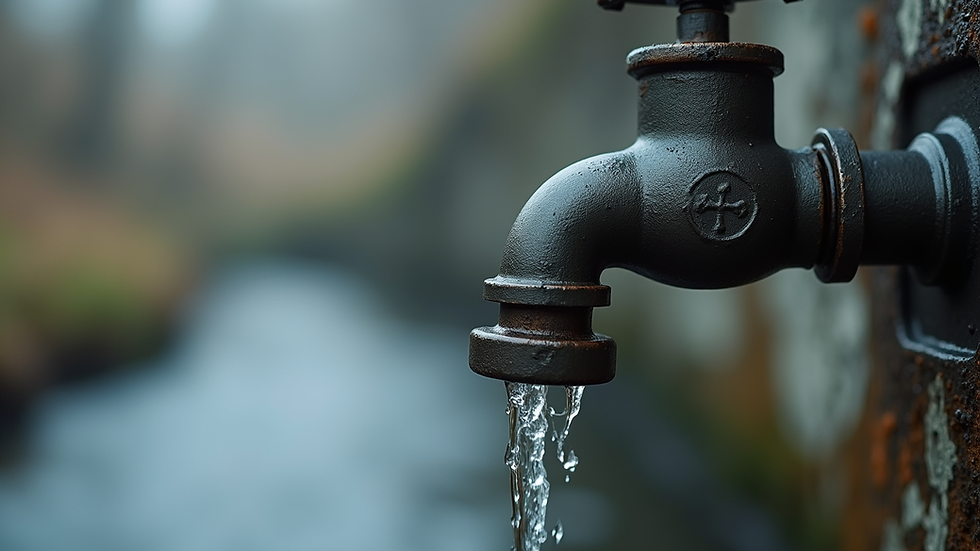
Close-up view of leaking geyser valve with water dripping
What You Can Do to Fix a Leaking Geyser
Some fixes you can try yourself. Others need a professional plumber.
Tighten loose fittings: Use a wrench to tighten any loose pipe connections.
Replace faulty TPR valve: If the valve leaks, replace it with a new one. This is a common fix.
Flush the geyser: Sediment build-up can cause leaks. Flushing the tank removes sediment and improves performance.
Check the pressure: If pressure is too high, install a pressure reducing valve or adjust the pressure settings.
Call a professional: For tank leaks or complex issues, get expert help. A plumber can assess if you need a new geyser or repairs.
Comparing Two Reliable Geyser Services
If you need professional help, consider these two services I recommend for South Africa:
Emergency Plumbing Service
This service offers rapid response for urgent geyser leaks. They handle repairs and replacements quickly to prevent damage. Their team is available 24/7 for emergencies.
Geyser Repair Experts
Specialists in geyser maintenance and repair. They provide thorough inspections, TPR valve replacements, and tank flushing. They also install new geysers if needed.
Both services have strong reputations for fast, reliable work. Choose based on your location and urgency.

Eye-level view of plumber fixing geyser valve in a home
Preventing Future Geyser Leaks
Once your geyser is fixed, take steps to avoid leaks later.
Regular maintenance: Flush your geyser every 6 to 12 months to remove sediment.
Check pressure settings: Keep pressure within safe limits to avoid stress on the tank.
Inspect valves and fittings: Look for wear and tear regularly.
Install a pressure reducing valve: This protects your geyser from high water pressure.
Use quality parts: When replacing valves or pipes, choose durable, reliable products.
When to Replace Your Geyser
If your geyser is old or has a cracked tank, replacement is the best option. Signs you need a new geyser:
Constant leaks despite repairs
Rust inside the tank or water
Water smells or looks strange
Frequent pressure valve releases
Age over 10-15 years
Replacing your geyser can save money on repairs and improve energy efficiency. Look for models with good warranties and energy ratings.

High angle view of new geyser installation in a utility room
Final Thoughts on Geyser Leaks
A leaking geyser is a problem you must fix quickly. It wastes water and energy and can cause damage. Check your geyser regularly for leaks and signs of wear. Tighten fittings, replace faulty valves, and flush the tank to keep it working well.
If you need help, professional services like Emergency Plumbing Service and Geyser Repair Experts offer fast, reliable solutions. Don’t wait until a small drip becomes a flood. Act now to protect your home or business.
Remember, a well-maintained geyser saves money and keeps your water hot when you need it most.


Comments